Cloud Migration: A Practical Checklist for SMEs
A step-by-step checklist for moving business systems to the cloud without surprise bills, extended downtime or discovering your backups never worked.
Cloud migration is sold as a technology project and delivered as a business one. The technical steps are well understood; what determines success is preparation, sequencing and a willingness to be honest about what your current setup actually does. Here is the checklist we work through with clients, in the order we work through it.
1. Inventory everything, including the things nobody mentions
List every server, application, database, scheduled job, integration, shared folder and licence — and note who depends on each one. Almost every migration uncovers something unlisted: a reporting tool on a machine under someone's desk, a nightly script written by an employee who left in 2021, a licence tied to a MAC address. Find these before cutover, not during it.
2. Establish your recovery objectives first
For each system, agree two numbers with the business: how much data you can afford to lose, and how long you can afford to be down. These drive backup frequency, replication strategy, redundancy and therefore cost. Without them, you are guessing — and guessing usually means over-provisioning everything or protecting nothing properly.
3. Model the cost before you commit
Cloud is not automatically cheaper. It is cheaper when workloads are right-sized, non-production environments shut down outside working hours, storage tiers are used appropriately and data transfer is planned. Model the monthly bill for your actual usage, then add 20 percent for the things the model missed. Set billing alerts on day one.
4. Choose a migration strategy per system
- Rehost — move as-is. Fastest and lowest risk, but you carry existing inefficiencies with you.
- Replatform — move with targeted improvements, such as a managed database instead of a self-run one. This is the sweet spot for most SMEs.
- Refactor — redesign for cloud-native operation. Highest value, highest effort; reserve it for the systems that genuinely justify it.
- Retire or replace — some systems should not make the trip at all. Migration is a good moment to say so.
5. Get security and access right at the start
Separate accounts or projects for production and non-production. Least-privilege roles rather than shared administrator credentials. Multi-factor authentication enforced for everyone. Encryption at rest and in transit. Secrets in a managed secret store, never in configuration files or a repository. Retrofitting any of this later is significantly harder than doing it now.
6. Prove the backups by restoring them
Configure automated backups with a retention policy that matches your compliance obligations, then perform an actual restore into a clean environment and time it. A backup that has never been restored is an assumption. Schedule the drill quarterly and write down the result.
7. Rehearse the cutover
Write a runbook covering every step, who performs it, how long it takes and how to reverse it. Do a full dry run with a copy of production data. Agree the acceptance checks that define success and the trigger conditions for rolling back. Plan the real cutover for the quietest window your business has, with the vendor and the internal owner both available.
8. Monitor from the first hour
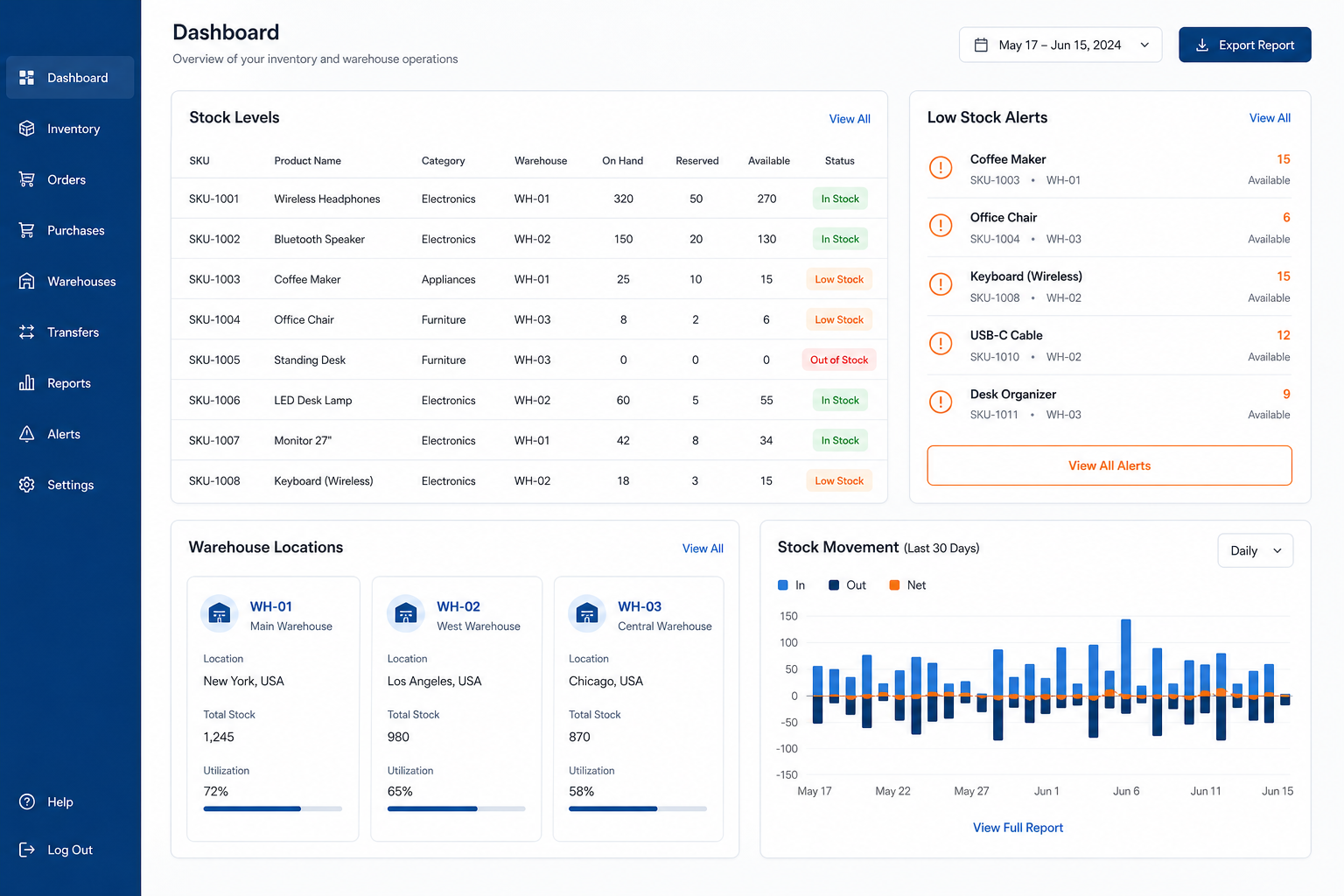
Uptime, response time, error rates, CPU and memory, disk capacity, certificate expiry and cost anomalies — with alerts going to a person, not a dashboard. The first week after migration is when configuration gaps surface, and you want to hear about them from monitoring rather than from a customer.
9. Optimise after you stabilise
Wait two to four weeks, then review real usage data and right-size instances, add autoscaling where load is variable, move cold data to cheaper storage and buy reserved capacity for steady workloads. Clients typically reduce their initial cloud bill by 25 to 40 percent in this phase — but only if someone is assigned to do it.
Done in this order, migration is a controlled project with a predictable weekend cutover rather than a fortnight of firefighting. If you would like a second opinion on a migration plan, we are glad to review it.